
What are the 4 key elements of maintenance?
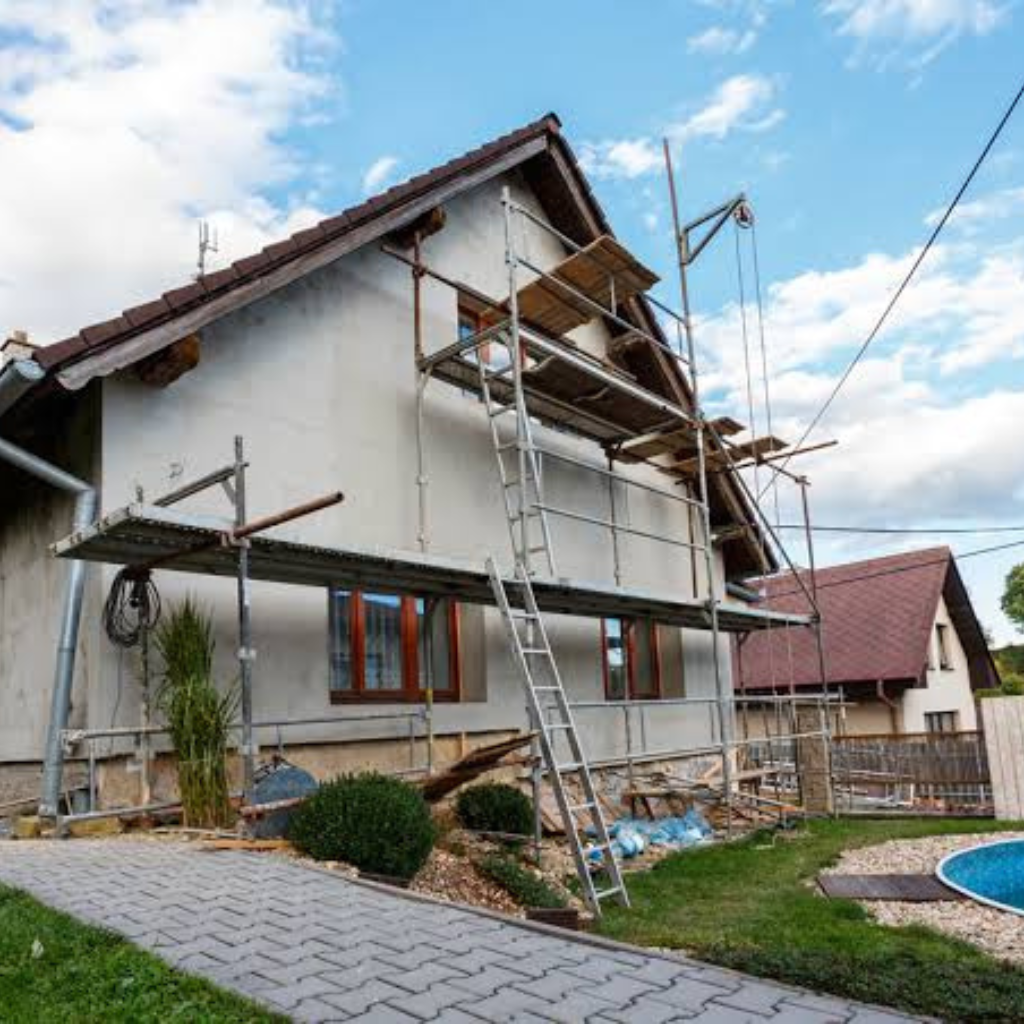
Keeping a home in good condition is a challenging feat. From cleaning and repairing to upgrading and renovating, something always needs attention. But when it comes to home maintenance, there are four key elements that you must focus on to ensure the longevity and safety of your living space.
What are the four key elements of maintenance?
Preventive Maintenance – Preventive maintenance involves routine checks and maintenance activities that aim to prevent damages before they occur. It involves regular cleaning, inspections, lubrication, and replacing worn-out parts. The primary goal of preventive maintenance is to keep your property in excellent condition, extend its lifespan, and prevent costly repairs.
Corrective Maintenance involves repairing damages due to wear and tear, accidents, or natural disasters. It includes fixing broken pipes, replacing damaged electrical systems, and repairing walls, roofs, and floors. The primary goal of corrective maintenance is to restore the property to its original state, prevent further damage, and ensure safety.
Predictive Maintenance – Predictive maintenance involves using technology and data to predict potential failures and schedule maintenance activities. It includes using sensors and monitoring systems to detect anomalies and predict when parts need replacement. The primary goal of predictive maintenance is to prevent costly repairs and reduce downtime by addressing potential failures before they occur.
Condition-Based Maintenance – Condition-based maintenance involves monitoring the condition of critical components and scheduling maintenance activities based on their situation. It includes using data and feedback from equipment and systems to determine when maintenance is necessary. The primary goal of condition-based care is to prevent sudden failures and reduce repair costs by addressing issues before they cause severe damage.
Preventive Maintenance Example: How to Keep Your Equipment Running Smoothly
At Budget Home Services Pro, we understand the importance of preventive maintenance. Equipment downtime can cost businesses significant money and disrupt operations, so regular maintenance is essential to keep everything running smoothly.
Step 1: Create a Maintenance Schedule
The first step in preventive maintenance is to create a maintenance schedule. This schedule should detail what equipment needs to be maintained, how often, and what tasks must be completed during each maintenance session. Creating a schedule ensures that maintenance tasks are noticed and remembered, and allows you to plan around your equipment’s maintenance needs, minimizing disruption to your operations.
Step 2: Inspect Your Equipment Regularly
Regular inspections are vital to catching potential problems before they become more serious. During inspections, you should look for wear and tear, leaks, or any other issues that may indicate that maintenance is required. If you identify any problems during an inspection, address them immediately to prevent further damage to the equipment.
Step 3: Clean and Lubricate Your Equipment
Cleaning and lubrication are crucial components of preventive maintenance. Dirt and debris can cause equipment to wear more quickly, and lack of lubrication can lead to parts seizing up or wearing out. Clean your equipment regularly to prevent dirt and debris buildup, and lubricate all moving parts to keep them running smoothly.
Step 4: Replace Parts When Necessary
Even with regular maintenance, parts will eventually wear out and must be replaced. Keep a close eye on your equipment’s performance and replace parts as soon as they show signs of wear. This can prevent more significant problems down the line, such as equipment failure, and can prolong the lifespan of your equipment.
Step 5: Keep Accurate Records
Keeping accurate records of all maintenance tasks performed is essential for tracking the performance of your equipment over time. This can help you identify patterns and potential problems before they become more significant. It can also ensure that all maintenance tasks are completed on time and can provide valuable information when it comes time to replace equipment.
How to Implement Corrective Maintenance?
Corrective maintenance can be implemented in a few steps:
- Identify the problem or fault in the equipment or machinery.
- Determine the severity of the issue and its impact on the equipment and surrounding area.
- Develop a plan of action to rectify the problem, including the necessary tools, parts, and personnel required.
- Execute the project, including disassembling, repairing, and reassembling the equipment.
- Test the equipment to ensure that it is functioning correctly.
Benefits of Corrective Maintenance:
Reduces downtime: Corrective maintenance ensures that equipment or machinery functions correctly, reducing the likelihood of unplanned downtime.
Increases equipment life: Regular corrective maintenance can increase equipment life by identifying and repairing faults before they cause significant damage.
Improves safety: Corrective maintenance ensures that equipment functions safely, reducing the risk of injury or damage to people and property.
Cost-effective: Corrective maintenance can be less expensive than preventive maintenance as it is only performed when necessary.


Benefits of Predictive Maintenance
Predictive maintenance provides numerous benefits, including:
Increased Equipment Uptime: Predictive maintenance allows you to address potential issues before they cause equipment failure, reducing downtime and improving uptime.
Reduced Maintenance Costs: Predictive maintenance helps prevent major equipment failures, reducing repair and replacement costs.
Improved Safety: By identifying potential issues before they become serious problems, predictive maintenance helps prevent workplace accidents and injuries.
Increased Efficiency: Predictive maintenance can help optimize equipment performance, improving production efficiency and reducing energy costs.
Better Equipment Lifespan: Regular maintenance and proactive monitoring can extend the lifespan of your equipment, reducing the need for frequent replacements.
Examples of Predictive Maintenance
There are several examples of predictive maintenance, including:
Vibration Analysis: Vibration analysis uses sensors to measure equipment vibrations and identify potential issues, such as worn bearings or misaligned parts.
Oil Analysis: Oil analysis involves regularly testing equipment oil to identify potential issues, such as contamination or metal particles.
Infrared Thermography: Infrared thermography uses thermal imaging cameras to detect temperature changes in equipment, identifying potential issues such as overheating or insulation problems.
Ultrasonic Testing: Ultrasonic testing uses high-frequency sound waves to detect defects or abnormalities in equipment, such as cracks or leaks.
Benefits of Condition-Based Maintenance
Improved Equipment Reliability – One of the main benefits of CBM is improved equipment reliability. By monitoring the equipment in real time, businesses can detect potential issues before they become critical. This helps prevent unplanned downtime, which can be costly in terms of lost productivity, revenue, and reputation.
Cost Savings – CBM can also help businesses save costs associated with maintenance activities. Companies can avoid unnecessary repairs, reduce labor costs, and minimize equipment downtime by performing maintenance only when needed.
Enhanced Safety – Another benefit of CBM is enhanced safety. By detecting potential equipment issues before they cause accidents, businesses can ensure a safer working environment for their employees.
Increased Equipment Lifespan – CBM can help improve the lifespan of equipment by identifying potential issues early on and addressing them before they cause significant damage. This can help businesses save money on equipment replacement costs and increase their return on investment.
The importance of home maintenance:
Regular home maintenance may seem like a hassle, but it’s essential for several reasons. Here are some of the top benefits of staying on top of your home maintenance:
- Lower energy bills: By keeping your HVAC, plumbing, and electrical systems in good condition, you can reduce your energy usage and save money on utility bills.
- Improved safety: Proper maintenance can identify and address safety hazards, such as faulty wiring or structural damage before they become serious threats.
- Increased home value: A well-maintained home is more attractive to buyers and can fetch a higher price if you decide to sell.
- Peace of mind: Knowing that your home is in good condition and free of major issues can help you relax and enjoy your living space more.
- Preventing Costly Repairs: Regular maintenance activities, such as cleaning gutters, inspecting roofs, and replacing worn-out parts, can prevent costly repairs. Neglecting maintenance can lead to damages that require expensive repairs and replacements.
How often should I perform home maintenance tasks?
As homeowners, we all know the importance of maintaining our homes to ensure they remain in good condition and hold their value. But how often should we perform home maintenance tasks to keep our homes in shape?
HVAC Maintenance – Your heating, ventilation, and air conditioning (HVAC) system is essential to your home. You should perform routine maintenance at least twice yearly to keep your system running efficiently. It’s best to have a professional HVAC technician inspect and clean your system in the fall and spring to ensure it’s ready for the upcoming season.
Roof Inspection and Maintenance – The roof is one of the most critical components of your home’s structure. It protects your home from the elements, and a leaky roof can cause significant damage if not repaired promptly. You should have your roof inspected at least once a year, preferably in the fall or spring, and after any severe weather event, such as a hailstorm or heavy snowfall. Regular maintenance, such as removing debris and cleaning gutters, can help extend the life of your roof.
Plumbing Maintenance – Your plumbing system is another essential part of your home. Your plumbing system should be inspected annually to prevent costly repairs and water damage. A licensed plumber can check for leaks, corrosion, and other issues that could lead to a more significant problem. You should also perform routine maintenance to keep your plumbing system running efficiently, such as draining your water heater and cleaning your drains.
Electrical Maintenance – Your home’s electrical system is complex and dangerous if not properly maintained. You should have your electrical system inspected by a licensed electrician every five to ten years to ensure it’s up to code and safe. You should also replace any outdated or faulty wiring and electrical panels promptly.
Exterior Maintenance – The exterior of your home is the first thing visitors see and the first line of defense against the elements. You should inspect the exterior of your home annually, preferably in the fall or spring and after any severe weather events. Check for cracks in the foundation, peeling paint, and damage to your siding or brickwork. Regular maintenance, such as cleaning your gutters and pressure washing your siding, can help keep your home looking its best.
Indoor Maintenance – The interior of your home requires regular maintenance to keep it in top condition. You should perform routine cleaning and maintenance tasks weekly, such as vacuuming carpets, cleaning bathrooms, and dusting. You should also inspect your home’s interior for any signs of water damage, such as mold or mildew, and address them promptly.
Lawn and Garden Maintenance – Your lawn and garden are important to your home’s overall appearance. You should perform routine lawn and garden maintenance tasks, such as mowing your lawn, trimming bushes, and weeding flower beds, on a weekly or bi-weekly basis, depending on the season. You should also inspect your lawn and garden for any signs of pests or diseases and address them promptly.
Performing routine home maintenance tasks is essential to keep your home in top condition and maintain its value. By following the recommendations outlined in this article, you can ensure that your home’s systems and structures remain in good working order. Remember to schedule annual inspections with licensed professionals and perform routine maintenance tasks to keep your home in top condition.